It all starts with a casual chat with my mom on WeChat. My mom showed concerns with how I founded a reading group which consequently drew attention from many overseas expat communities. Out of her surprise, I replied thanks for the hints, I’ll make sure we will stick to what we want to do from the beginning and it will not have anything to do with others. Mom was astonished by my obedience, complimented me on how I become a mature person now. I frowned effortlessly, and went back to my morning tea.
Perhaps it start even much earlier, when words like “her technique improves,” “how come it’s possible that her vocal is on a different level…” packed in this young Chinese female singer’s video comment area from time to time. At the same time, ironically, there’s always voice like “I wish she could go back to her debut era, when she’s much better then.”
So, who’s she, at the end of the day? She can’t be both the singer showing great potential and the one who’s never beat her debut, or can she?
Identity is such an intriguing thing — it exists through the observation of “us” via others’ lens. Most of the time, identity matters more than the “true, essential self” of us. Identity conflicts when observers have different lenses. Due to the innate nature that people usually desire a being that one would look outwards to seek for, the internalization of such “identity” built on others’ observation, acknowledgement, even disagreement, would sometimes become self-destructive. Just as how Hundun, an emperor from a pre-China ancient mythos, ended in death, as two other emperors eager to “dig” into that “Hundun” (mess in English) to find out who Hundun really is.
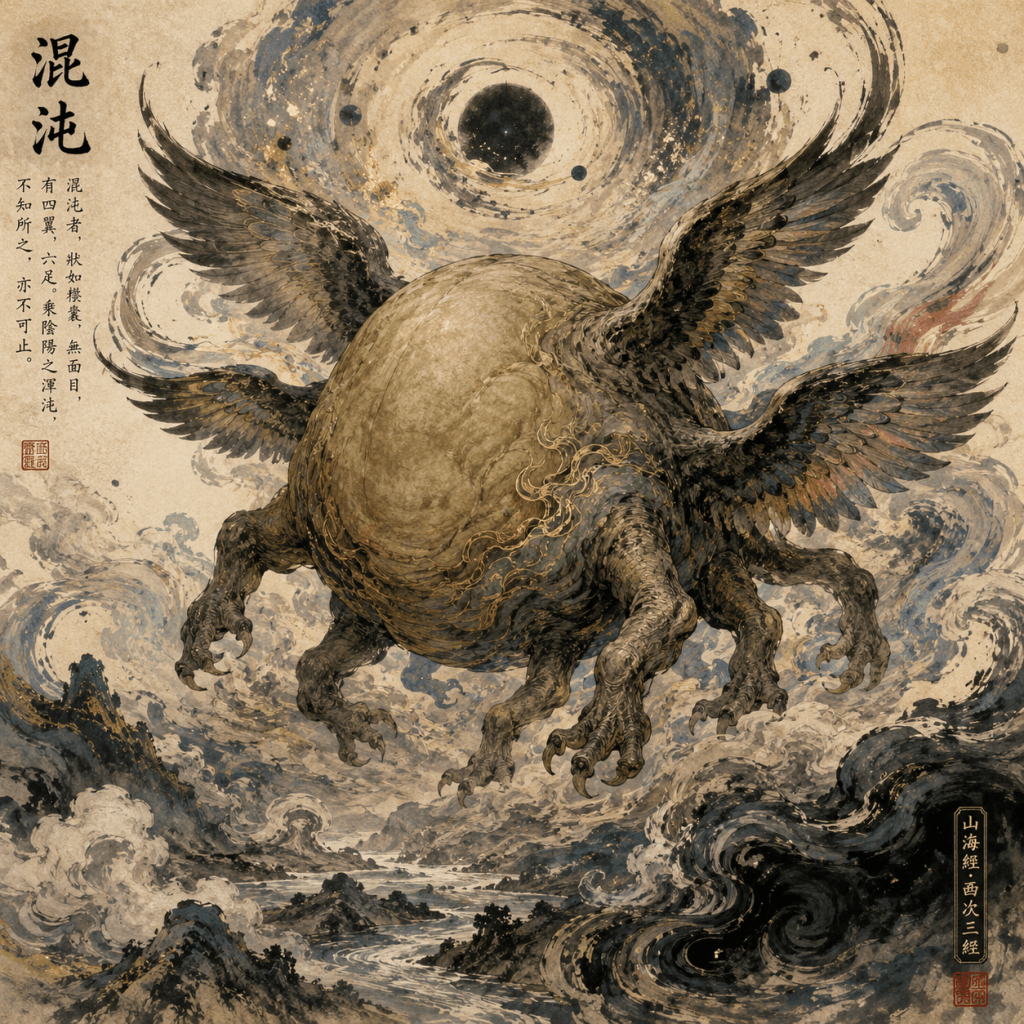
During finishing up my morning tea, I am still pondering on the observed maturity from my mom. Or maybe I am mature enough, and sophisticated enough, to play that obedient son, who simply don’t want to irritate his mom on Mother’s Day.


Leave a comment